Everything to Know About Tree Removal
Introduction
From an outside perspective, removing a tree can seem as simple as cutting it slightly and pushing it down, but this could not be further from the truth. Removing a tree is a complex process that requires specific tools and following a specific process. Below, we will examine those steps and tools to give a firm understanding of what goes into tree removals and if hiring a professional would be the better option.
When Should a Tree Be Removed?
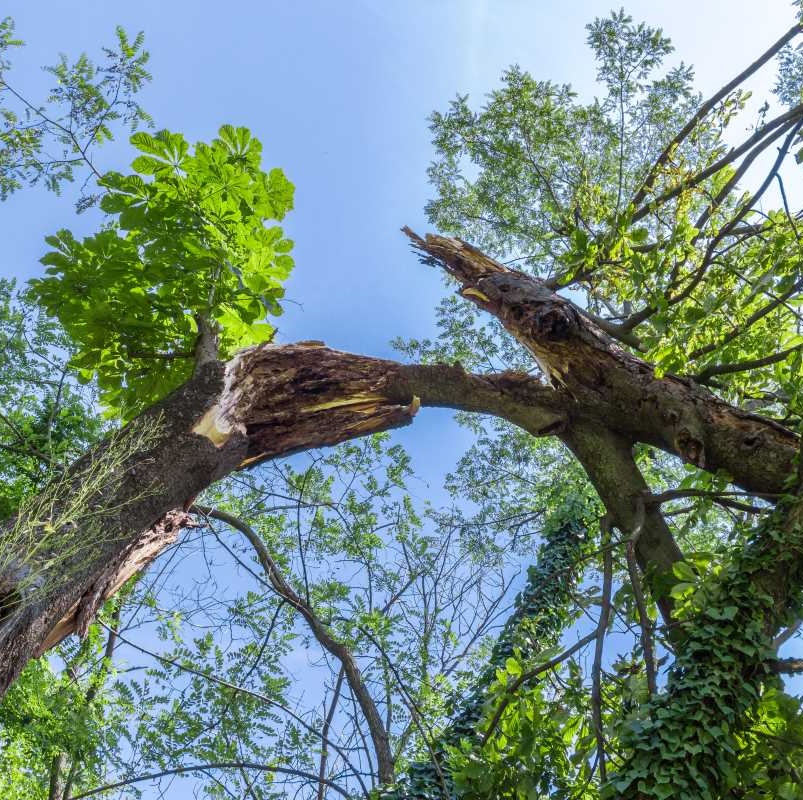
A tree may need to be removed when it becomes hazardous. Some scenarios include 25% of branches are damaged, a 15-degree lean, or 50% of the tree is decayed. Also, if a tree is too close to a house or utilities, it might be safer to remove it before a storm.
How to Remove a Tree
The tree removal process involves steps such as removing small branches, making strategic cuts to control the fall direction, and ensuring safety precautions. A planned escape route and leaving about 10% of the tree's diameter in the center can help control the fall.
When to Hire a Professional
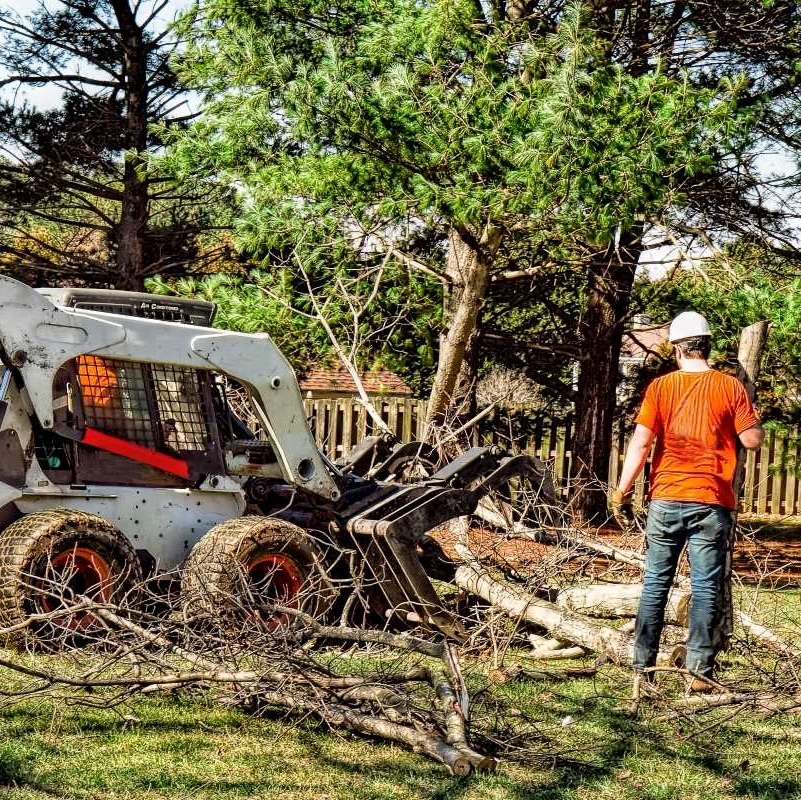
While removing a tree by yourself is possible, certain situations call for professional assistance. For instance, if the tree is too tall or near hazards like powerlines, hiring a professional may be the safer option.
Cost of Professional Tree Removal
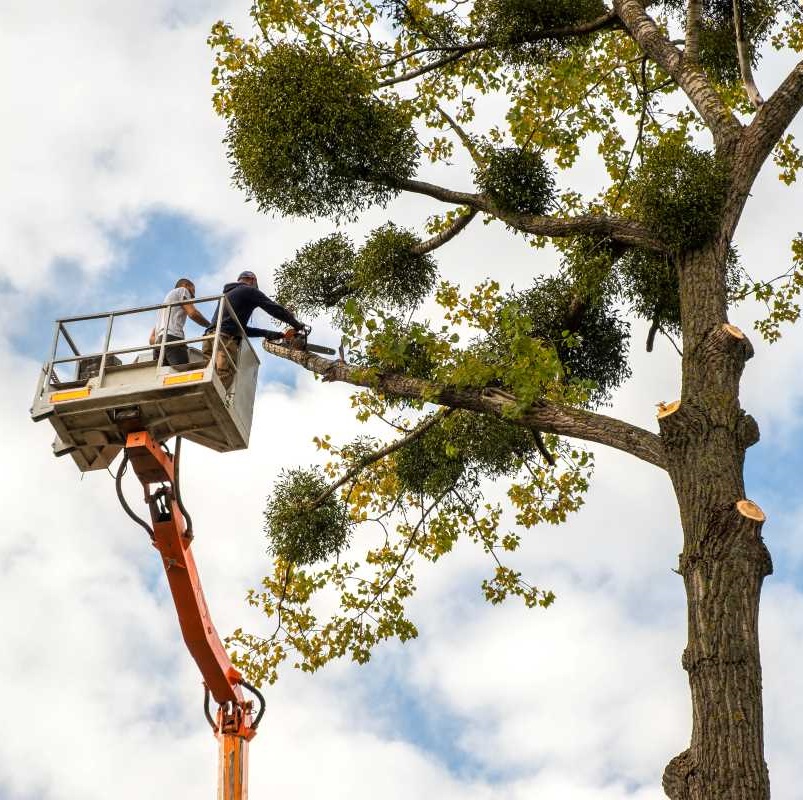
Tree removal costs vary, with factors like tree height, condition, location, and diameter influencing the price. On average, removal costs around $750, but additional services like stump removal may add $100 to $150.
Conclusion
Removing a tree can be necessary for safety or aesthetic reasons. Homeowners should evaluate if they can handle the task or need professional help to ensure a safe and secure removal process.