Fall Lawn Care Tips
Introduction
In a typical year, most locations across the globe experience four different seasons: Spring, Summer, Fall, and Winter. Each season has distinctive characteristics that affect a homeowner's lawn differently. Some bring about more rain than others, and others, depending on the location, bring snow. So, when it comes to lawn care, it is essential to understand what season you are currently experiencing to know how you should care for your lawn.
Pick up the fallen leaves and debris
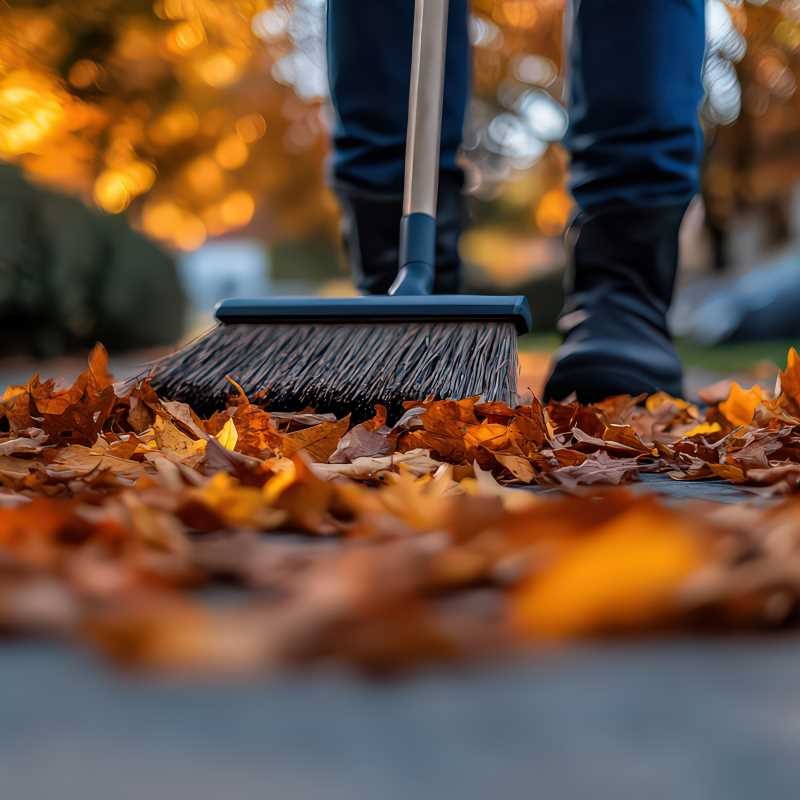
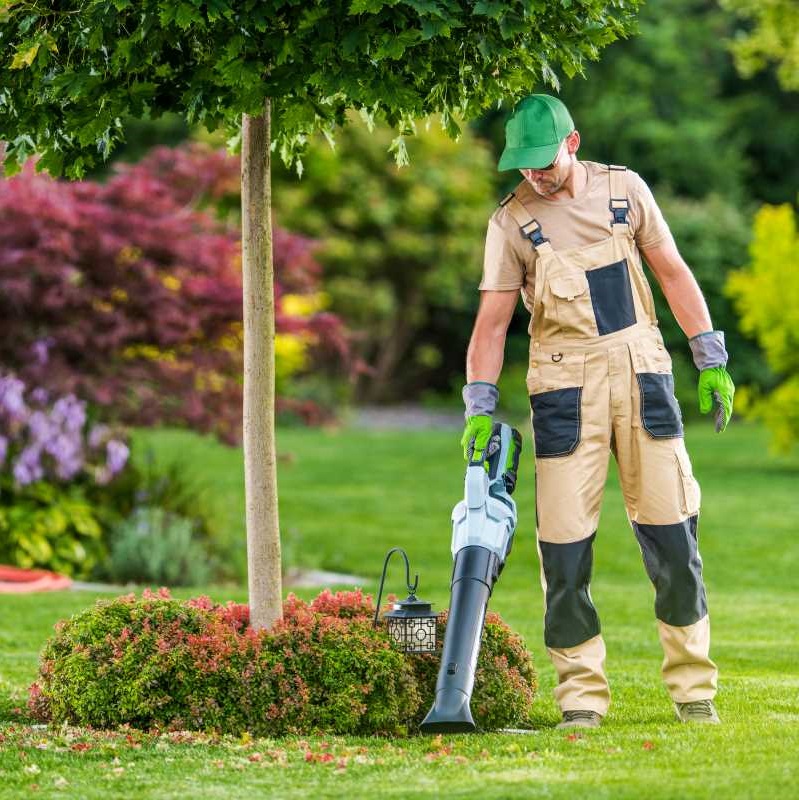
Many trees and plants shed their leaves during the fall season, and these leaves can flood a lawn. You must go out into your lawn and clean any leaves or branches that may have fallen. Too many leaves across a lawn could block sunlight and trap moisture. So, removing the leaves is imperative to allow your lawn to grow proportionally and adequately.
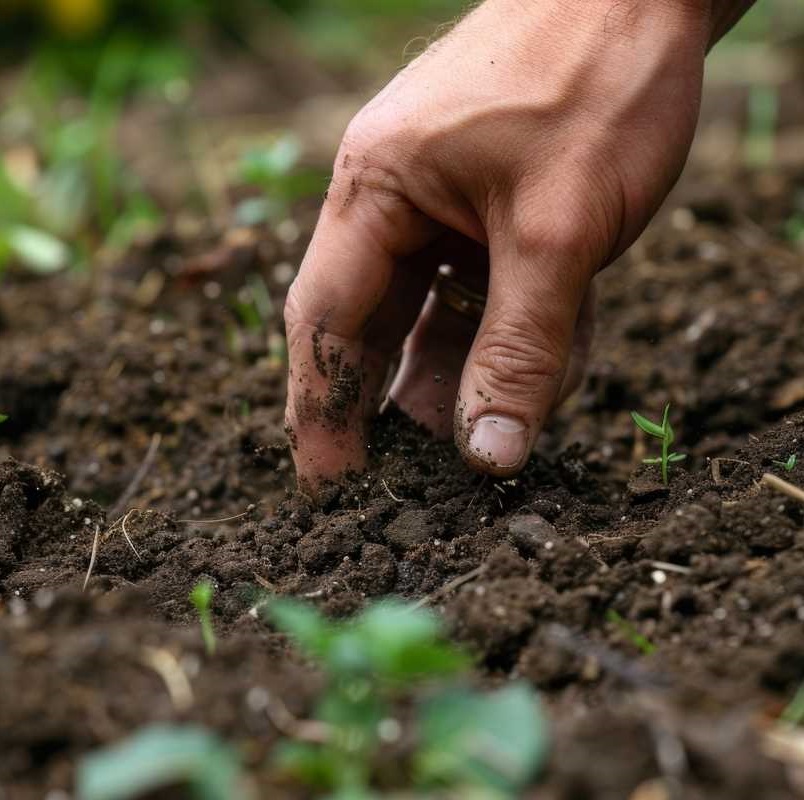
Continue to mow the lawn
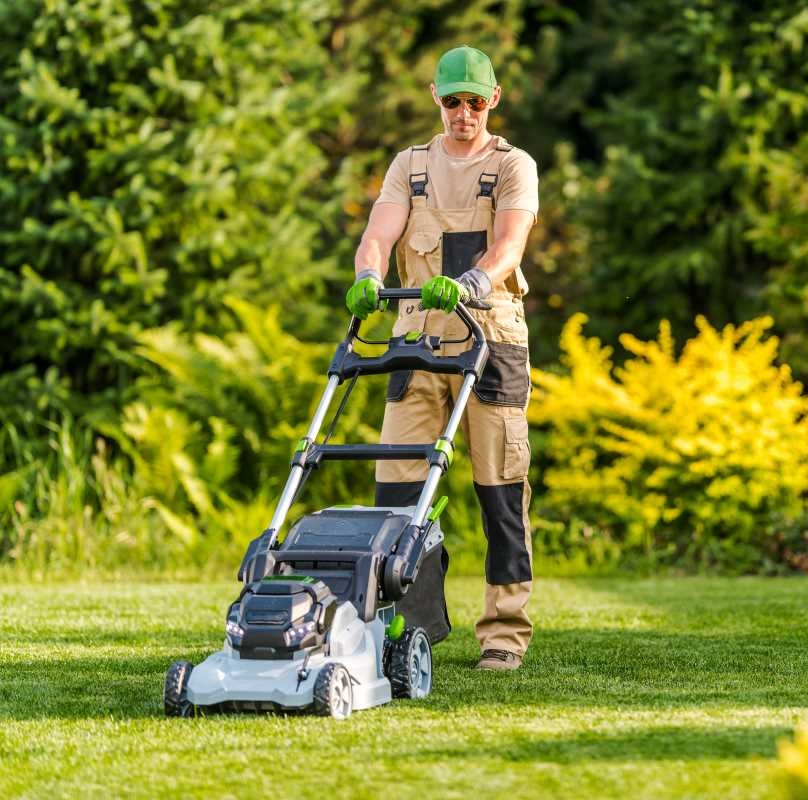
It is typical for the lawn to grow faster in the fall than in the summer, so maintaining a regular mowing pattern is crucial. This regular mowing pattern will help encourage healthy grass growth, and if you have a lawn full of fallen leaves, it can help mulch the leaves so they are no longer an obstacle.
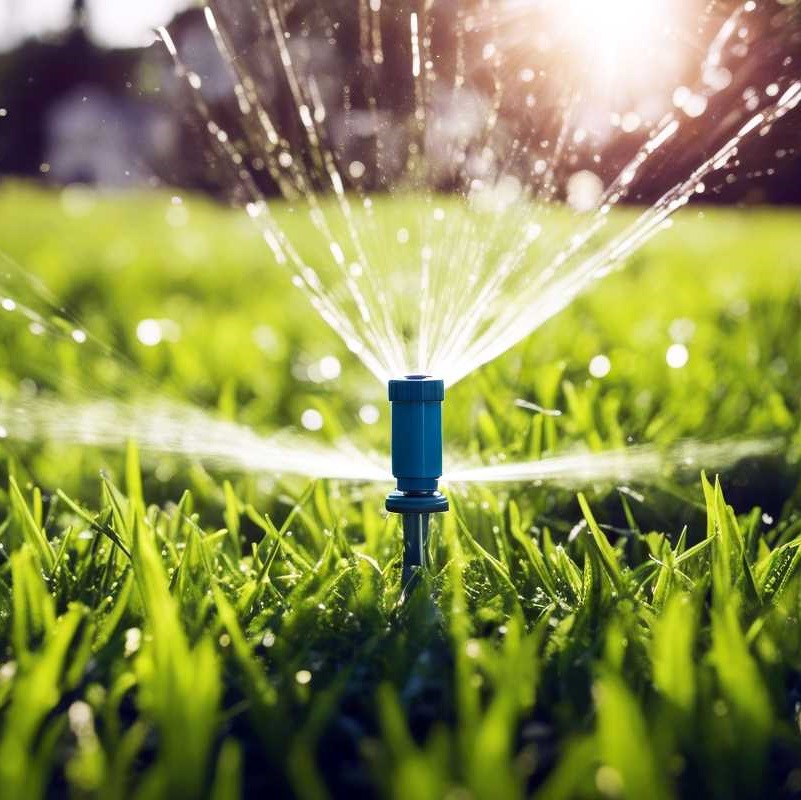
Test the soil
With each passing season, it is essential to test the lawn for nutrient and pH levels. Once you have these results, you will want to compare these numbers to the recommended nutrient and pH levels and make the appropriate adjustments.
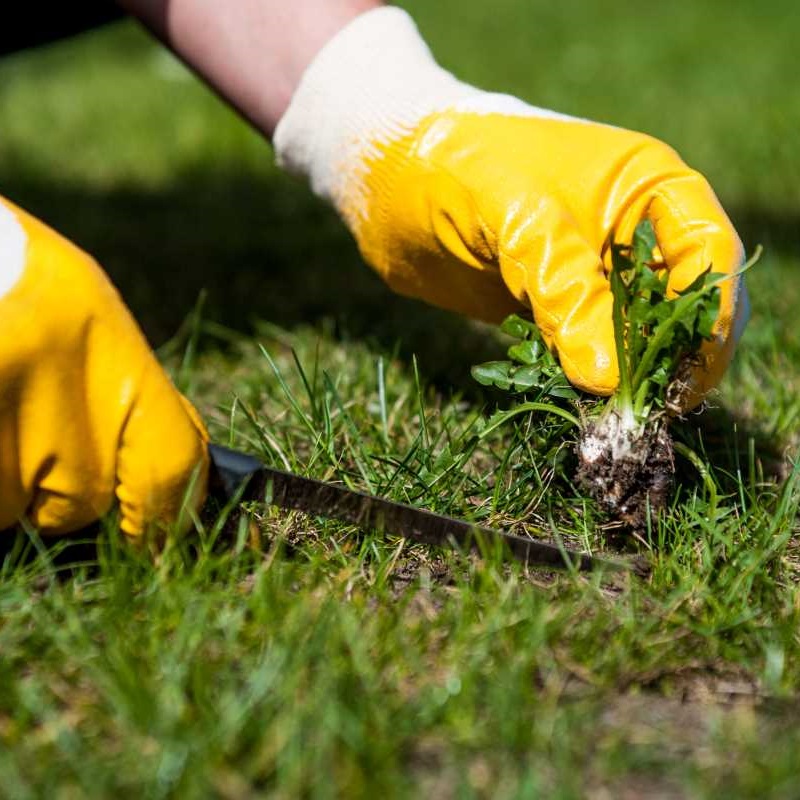
Continue watering the lawn
The fall season can be rainier than the summer months, so there will be the constant assistance of rain to help maintain the lawn. However, pay close attention to the rain cycle and adjust your watering pattern. Try to provide the lawn with one to two inches of water every week, including rain contributions.
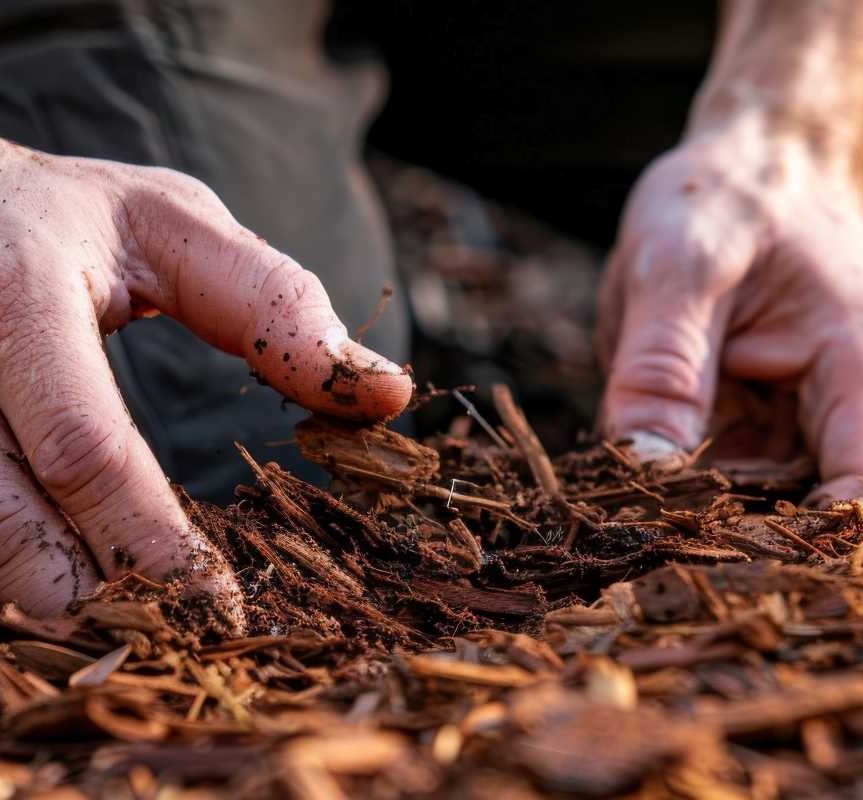
Pull weeds
The fall season can bring more precipitation, and that means weeds will grow as well. Build a routine that revolves around pulling weeds at least once a week, but if the rain increases, it may be necessary to pull the weeds more often.
Take care of the dead zone
The increased heat and lack of rain typical of the summer may have resulted in a few dead zones on the lawn. Fill these areas with fertilizer and grass mulch. You can find all-in-one packages with fertilizer, mulch, and grass seeds to repair these areas.
Aerate your lawn
The fall is an ideal time to aerate your lawn. Aeration reduces soil compaction, improves nutrient and water absorption, and promotes healthy root growth. Aerate the lawn by using a core or spike aerator, then go over the lawn with fertilizer and water it.
Pest management
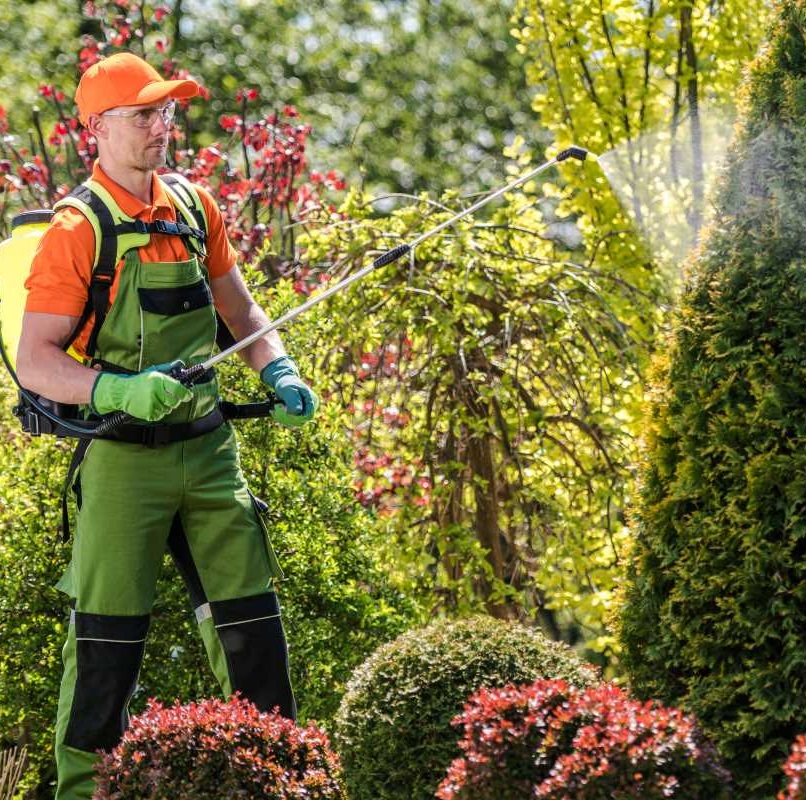
Fall is a season when pests may feed on grass and plants. Invest in environmentally friendly insecticide to control harmful pests like chinch bugs or cutworms, while ensuring you don't harm beneficial insects.
Conclusion
The lawn is one of the most crucial pieces of a home. Keeping a lawn in pristine condition year-round will help make the main house stand out. By following these fall lawn care tips, you can ensure a healthy lawn that withstands the winter and thrives during the spring season.