How to Design a Landscape
Understand Your Yard
Before starting your landscape design, it’s essential to assess your yard. This includes the soil, topography, and climate. A proper evaluation helps determine which plants will thrive, how to manage rain or snow, and where natural shade is present at different times of the day.
Consider Who Will Use the Landscape
Think about the people or animals that will use the landscape most. For example, if you have a dog, this might affect your plant choices and layout. Likewise, if you have children, you might want to create shaded areas close to the home or install a pathway to keep them off the grass.
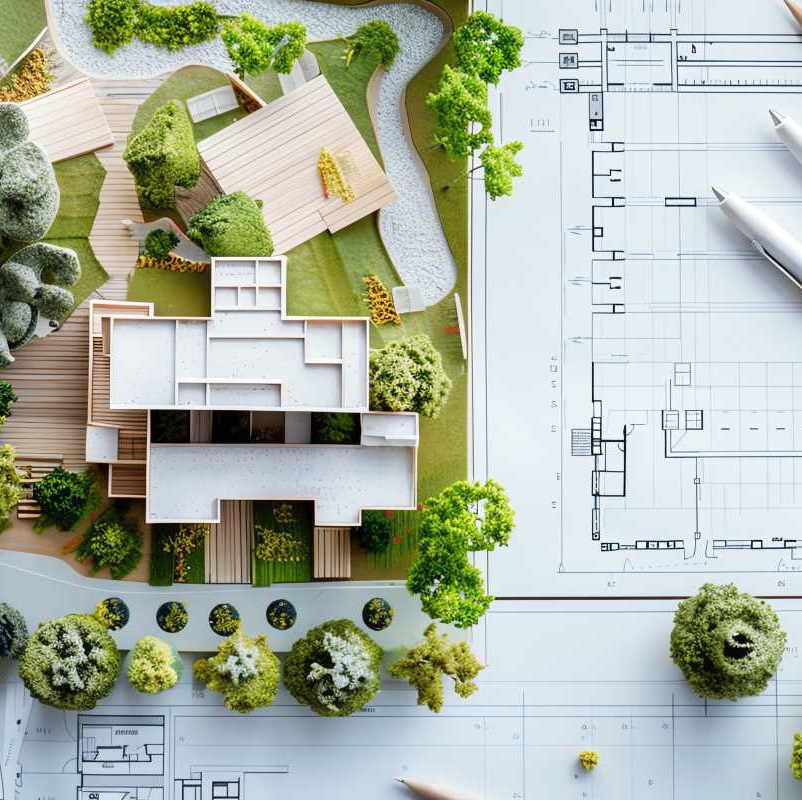
Create Linked Spaces
For larger landscapes, consider creating multiple gathering points throughout the yard. Connect these spaces with pathways to encourage exploration rather than having people gather in one place. Smaller yards can also benefit from fewer but well-defined spaces.

Choose Plants That Work For You
Plants are a key element in landscape design. Once you know how the space will be used, choose plants that enhance the overall aesthetic. Whether you want colorful flowers or uniform plant colors, pick plants that complement your design. You can also use plants to highlight certain areas or define boundaries.
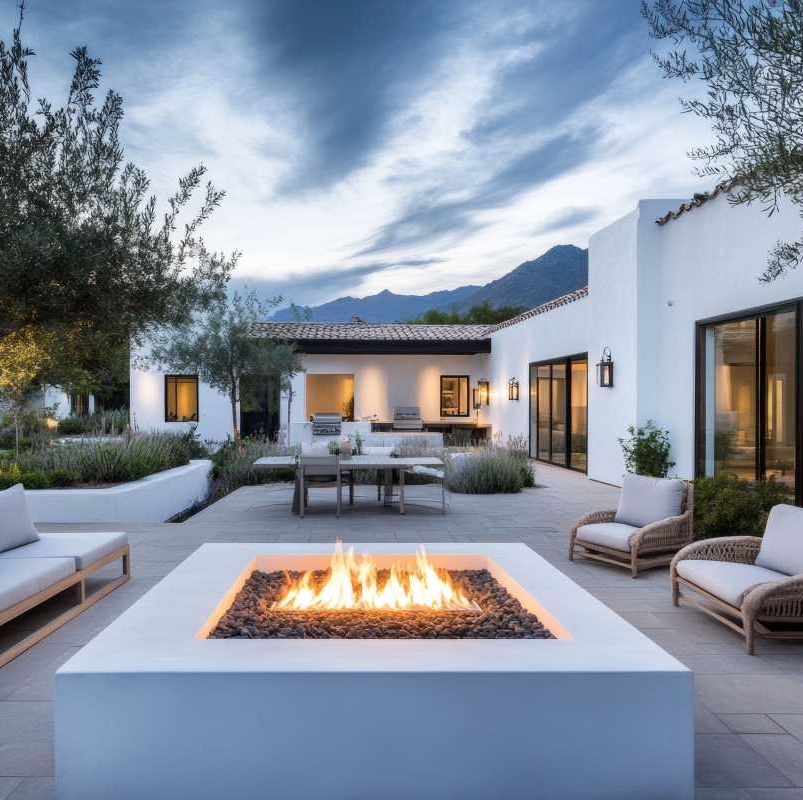
Think About the Future
Consider the long-term growth of the plants you choose. Some plants may require more maintenance as they grow, and others may outgrow the space you originally intended. If you want a low-maintenance landscape, select plants that will stay manageable over time.

Conclusion
Designing a landscape takes careful planning. Understanding your yard, considering future growth, and choosing the right plants will ensure that your landscape stays beautiful for years. Taking the time to plan properly can save time and effort in the future.