Twelve Best Trees and Plants for Hot Weather Cities
Although at times underappreciated, trees and plants are critical to your everyday life. Trees alone provide oxygen, they prevent soil erosion, and, most importantly, they provide shade and can help people cool down. There are similar benefits to having an abundance of plants. So, it is understandable that if you live in a city where temperatures have steadily risen through the years and the heat is becoming increasingly unbearable that you would want to plant something that helps protect you from the heat, provides you with oxygen, and is beautiful to look at. Unfortunately, due to this heat, there is a limited number of trees and plants to choose from, but a few remain that thrive and blossom under hot weather.
Below, we will look through a few trees and plants best equipped for hot weather cities.
White Oak
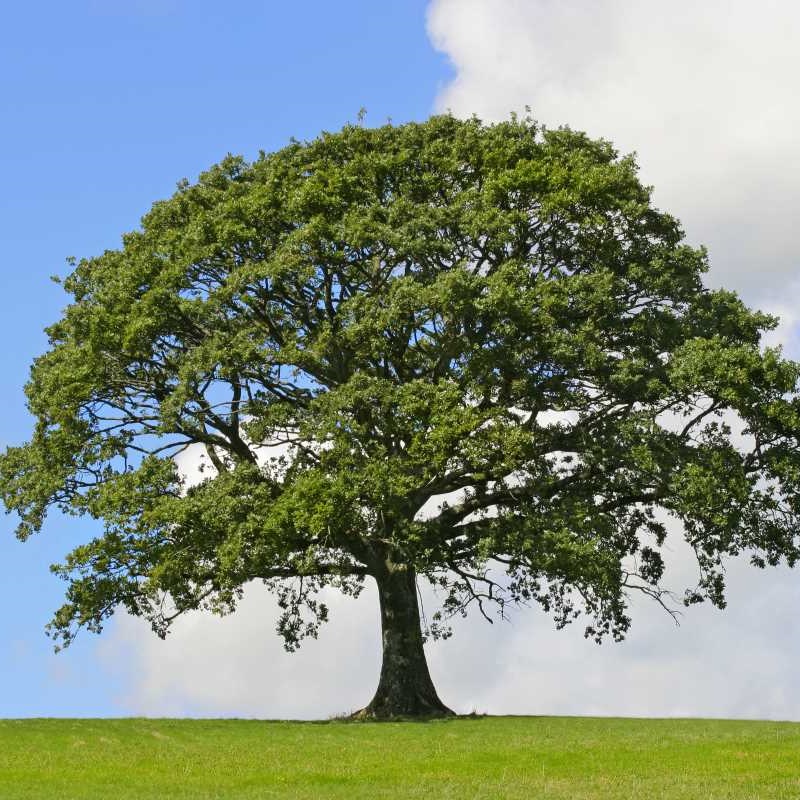
The white oak is the perfect choice if you are looking for a tree that benefits both humans and animals. It produces acorns, which can feed animals like chipmunks, woodpeckers, and squirrels. But aside from that, this tree is well-equipped to grow in the heat. It's easily recognizable by its light gray bark that could easily be mistaken for white and its beautiful green leaves that turn red during the fall season. Its growth pattern is slow, but you can expect it to reach 80 feet tall.
American Hornbeam
The American hornbeam, another tree known for its contributions to humans and wildlife, can grow up to 30 feet tall. Its abundance of leaves makes it an ideal home for hummingbirds to plant their nests, and its fall-winged nutlets are a pleasant surprise for wildlife who can get their hands on them.
Coneflowers
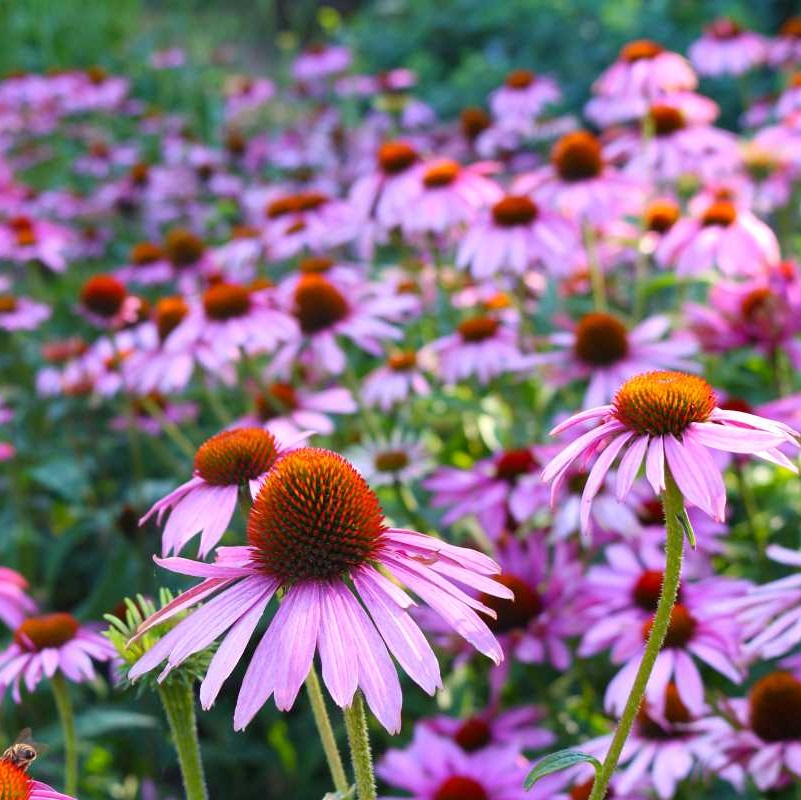
Coneflowers have a long history in America, dating back to when Native Americans were the sole inhabitants of the country. Their blossoms were well-known for their distinct pale pink color, but now you can find them in many colors. They are great to include amongst other plants because they attract pollinators, and birds like spending time sitting amongst their decent-sized blooms.
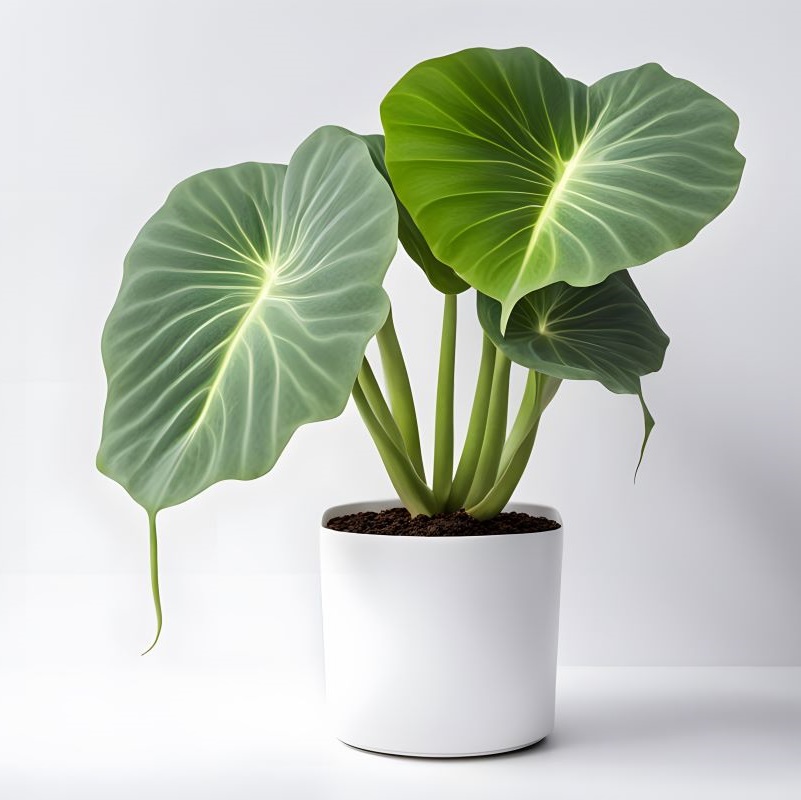
Elephant Ears
As their name suggests, these plants are known for their vast size. Growing as high as ten feet, these plants are a sensation when people see them. While they can withstand hot temperatures, they cannot thrive under direct sunlight. They will need to be in a space with a little bit of shade. As long as they have this, they can thrive and provide all the benefits expected from plants.
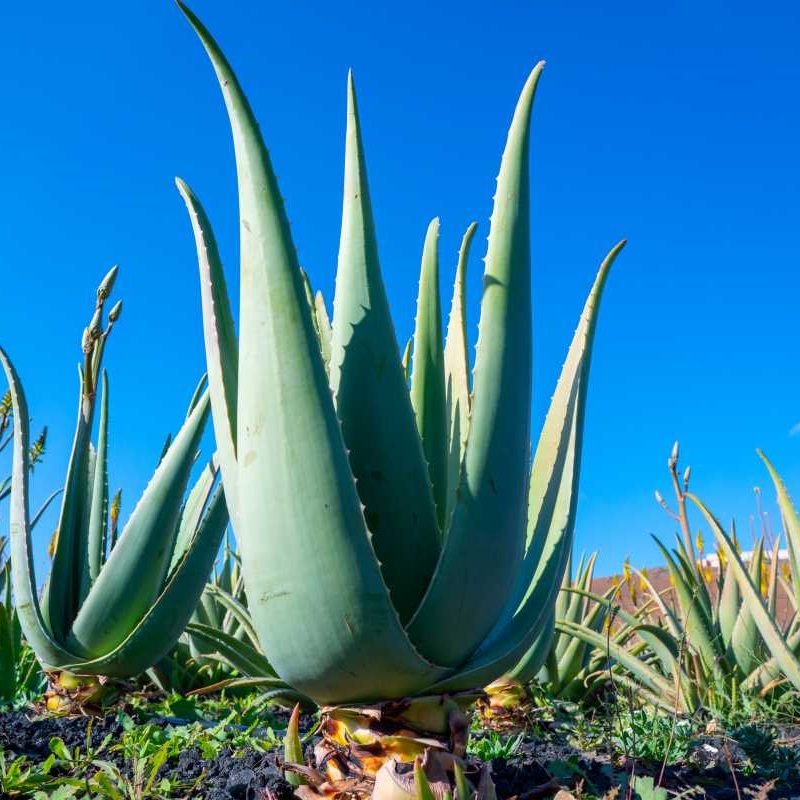
Aloe
Aloe is not only drought-resistant but also a common plant used to decorate landscapes. It can survive long periods without water, but even with this trait, it is essential to water it at some point to ensure it survives a long time. In addition, they provide medical benefits. You will see a gel-like substance emerge when you cut off one of its leaves. This gel helps treat sunburns, cold sores, and insect bites.
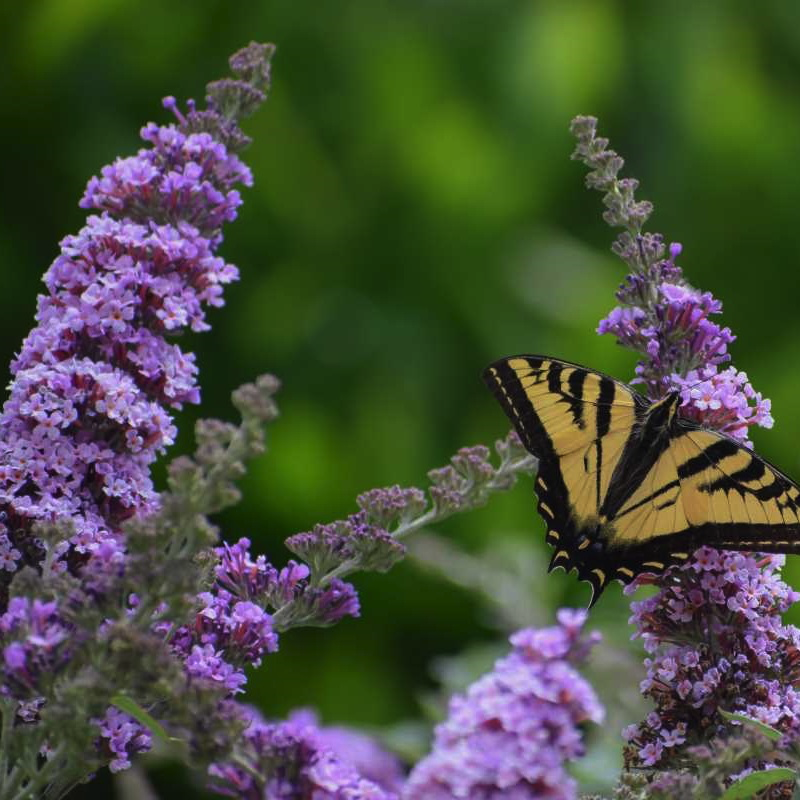
Butterfly Bush
This low-maintenance, fast-growing plant blooms during the summer months. Its spiky blooms attract an abundance of butterflies, and they come in many different colors and sizes, making it ideal for planting in multiple locations.
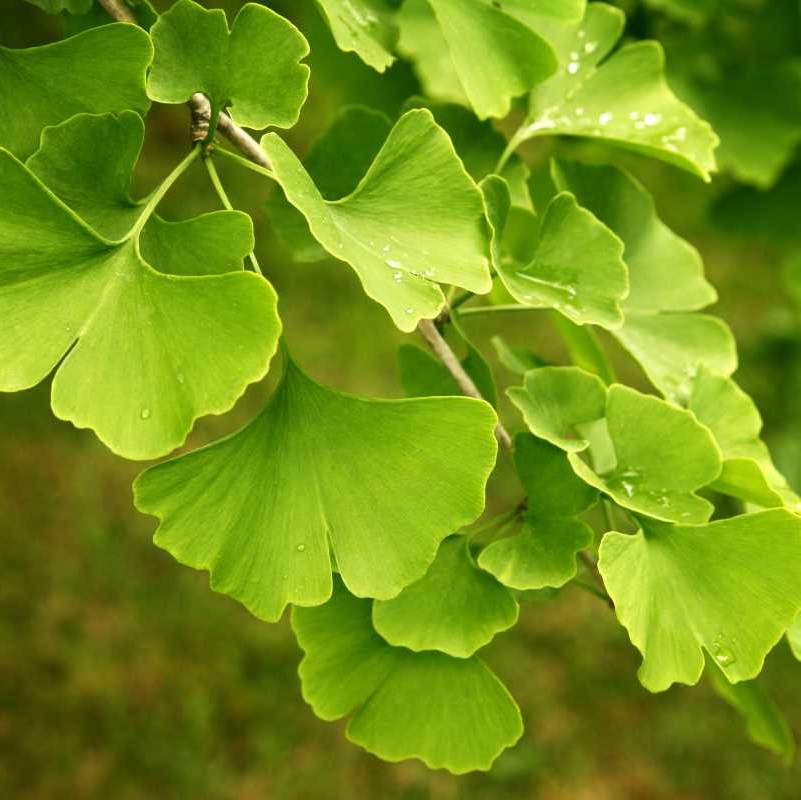
Ginkgo
Gingkos have been around for a long time, with some dating back to when dinosaurs roamed the earth. This longevity is evidence that they can last through any temperature change, including extreme heat. The Ginkgo can grow upwards to 50 feet and has a fan-shaped leaf that stands out from others and will turn a bright gold color during fall.
Ash
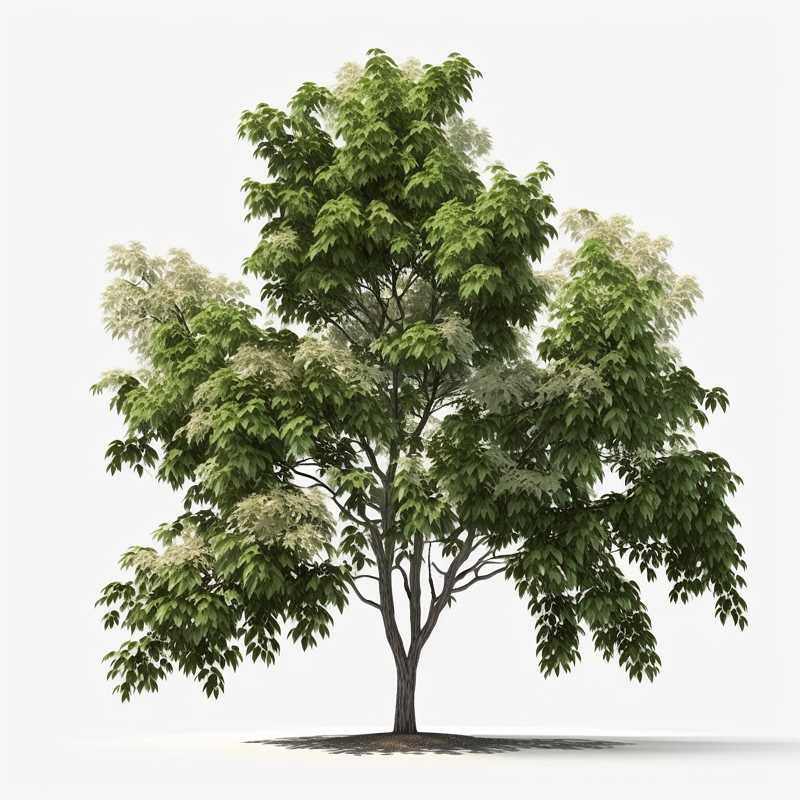
If you want to grow a tall tree in your city, ash trees are among the best choices. These trees can grow as high as 80 feet and have large branches that help to provide shade for passersby. They are also low-maintenance trees, so they do not need further assistance to grow to their full potential once planted.
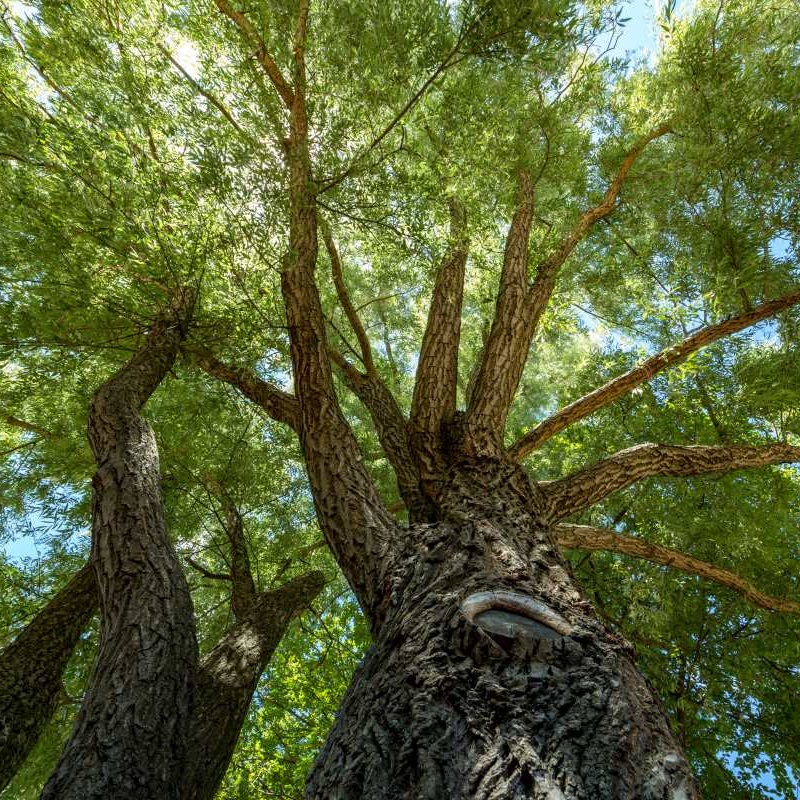
Lantana
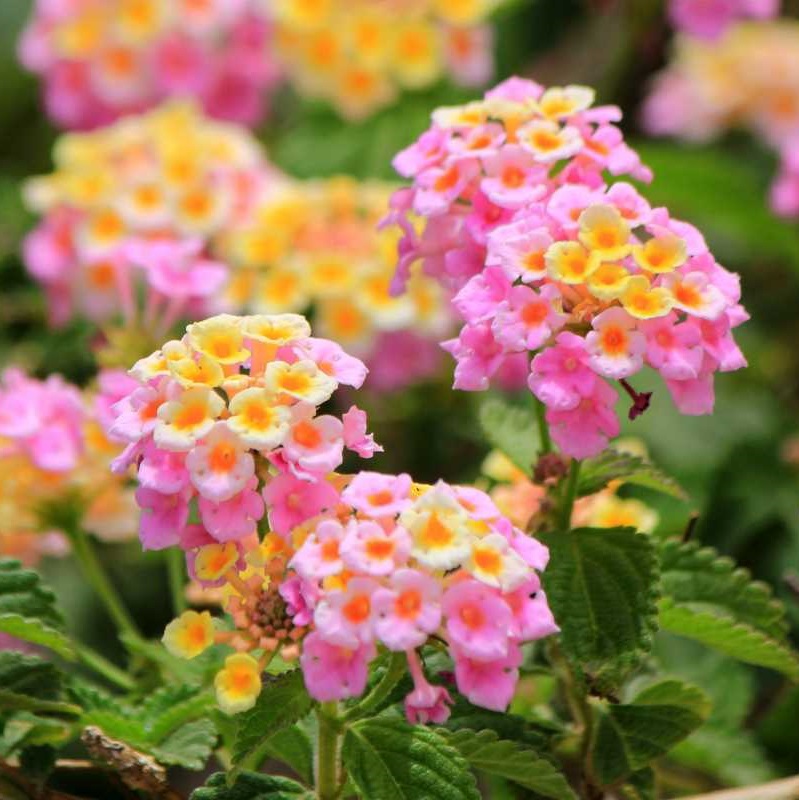
A popular flower, the lantana grows large groups of blooms, with typical colors being red, yellow, pink, and orange. It is salt tolerant, so it can be a good option for cities along the coastline. While some pruning helps, this plant is otherwise self-sufficient once planted.
Crape Myrtle
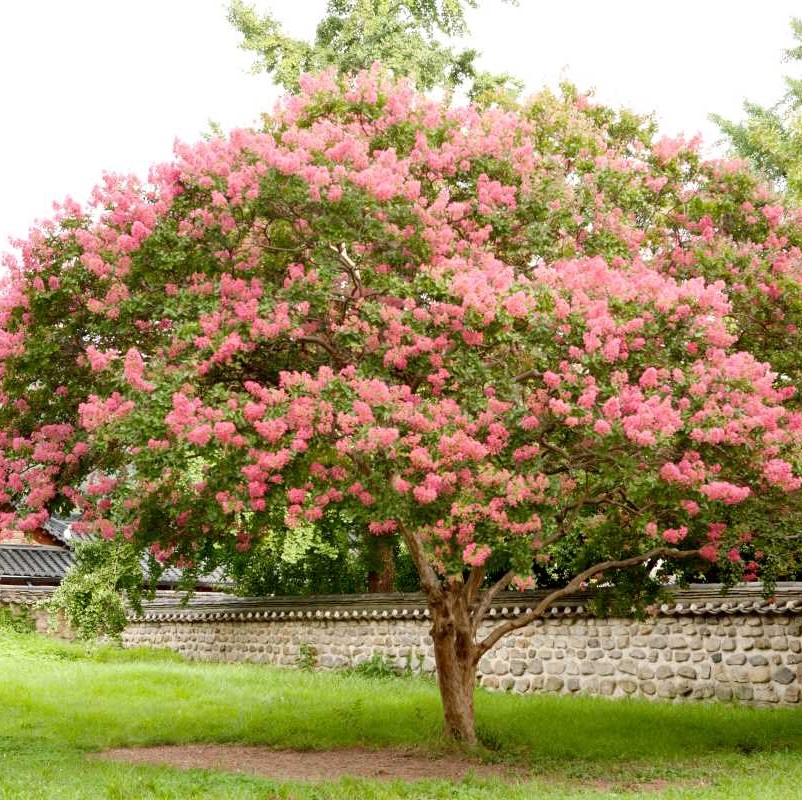
These trees have a good reputation in southern states, most notably for their ability to withstand full sun exposure and the heat often associated with states in the lower end of America. Their pink, purple, red, or white blossoms make them easily recognizable and a beautiful addition to any city.